Timeless home design, an art form that outlasts trends, focuses on creating spaces that are enduringly beautiful, functional, and relevant. Unlike fleeting fads, timeless design is about longevity and sustainability, ensuring that your home continues to inspire admiration and comfort for decades. Whether you’re constructing a new home or renovating an existing one, embracing timeless design principles will not only enhance your living experience but also add lasting value to your property, making it a wise investment in comfort and aesthetics.
A home designed with timeless principles is not just a structure but a sanctuary that grows with you and your family. It offers a sense of permanence, standing as a testament to your personal journey. This blog post delves into the critical aspects of creating a timeless home, from architectural styles and material choices to the common pitfalls to avoid. We’ll also explore practical tips that will guide you in crafting spaces that are both classic and adaptable to future needs.
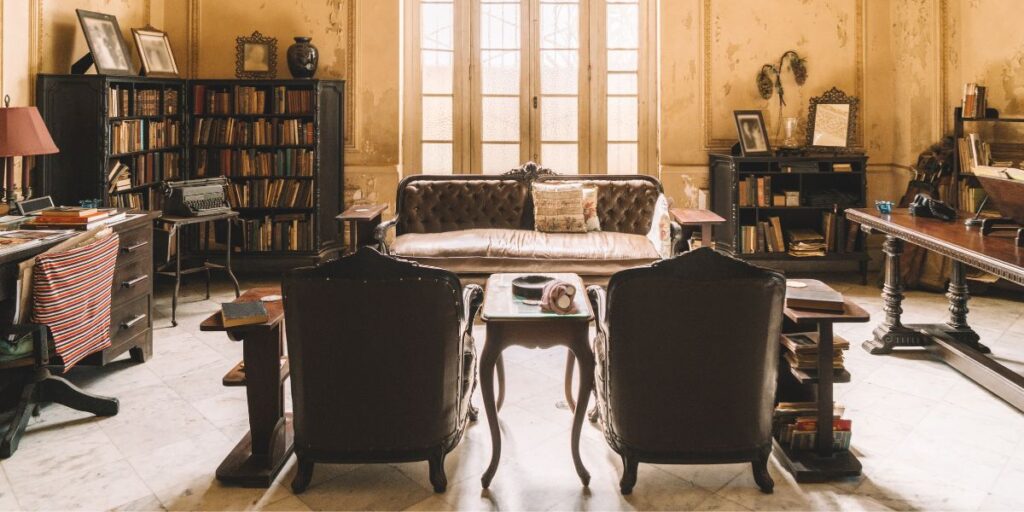
Key Principles of Timeless Home Design
Focus on Simplicity and Elegance
The cornerstone of timeless home design is simplicity. You can create an environment that feels serene and sophisticated by opting for clean lines, neutral color palettes, and minimalistic décor. Simplicity, however, does not equate to plainness. It’s about the thoughtful selection of elements contributing to a cohesive and elegant look. A well-designed space avoids clutter, allowing each piece to contribute to the overall harmony of the room.
Elegance is often achieved through restraint in a timeless home. Instead of following the latest trends, focus on elements that have a proven track record of durability and appeal. This might include using materials like marble, hardwood, or linen, which look beautiful and age gracefully. Incorporating symmetry in your layouts can also enhance the elegance of your home, creating balance and a sense of order.
Quality Over Quantity
Timeless design prioritizes quality in every aspect, from construction materials to the smallest decorative details. When selecting materials for your home, opt for those known for their longevity and durability. Choose natural stones like granite or marble for countertops, solid wood for flooring, and high-quality textiles for upholstery. These materials may come with a higher upfront cost, but their durability means they will last much longer, providing better value over time.
The principle of quality over quantity also applies to furnishings and decor. A few well-chosen, high-quality pieces can have a much more significant impact than filling a room with numerous lesser-quality items. Invest in classic pieces that have a timeless appeal, such as a well-crafted wooden dining table or a Chesterfield sofa. These pieces will be the foundation of your home’s interior design, allowing you to update accessories and smaller items over time without losing the timeless feel.
Balance of Functionality and Aesthetics
A timeless home design seamlessly blends beauty with functionality. It’s not enough for a home to be visually appealing; it must also be practical and comfortable for everyday living. This means considering the flow of spaces, the placement of furniture, and the selection of easy-to-maintain materials. By striking this balance, you can be reassured that your home is not just a beautiful space but a practical and comfortable one.
Functionality often dictates the success of a timeless kitchen or bathroom design. For example, a kitchen layout that maximizes efficiency with ample counter space, smart storage solutions, and durable, easy-to-clean surfaces will stand the test of time. Similarly, in living areas, selecting comfortable and stylish furniture ensures that the space is usable and visually pleasing. Consider how each room will be used daily and design accordingly, ensuring each element serves a purpose beyond aesthetics.
Elements of a Timeless Home
Architectural Styles
Choosing an architectural style with enduring appeal is a crucial step in creating a timeless home. Certain styles, such as Colonial, Craftsman, and Victorian, have stood the test of time due to their classic proportions, attention to detail, and inherent charm. These styles often feature symmetrical layouts, quality craftsmanship, and a focus on proportion, all of which contribute to their lasting appeal. By selecting an architectural style with a proven track record of lasting appeal, you can ensure that your home remains attractive and relevant for years to come.
Colonial architecture, for example, is known for its symmetry, grand entryways, and use of natural materials like brick and wood. Its clean, simple lines make it adaptable to both traditional and modern interpretations, ensuring its relevance over time. Craftsman style, with its emphasis on handcrafted details, natural materials, and a connection to the surrounding environment, is another enduring choice. With its ornate detailing and historic charm, New Orleans home architecture appeals to those who appreciate a more decorative approach to home design.
When choosing an architectural style for your home, consider how it will fit within its environment and how it will age over time. Opt for styles that have a track record of lasting appeal rather than those that are currently in vogue. This will help ensure that your home remains attractive and relevant for years to come.
Material Selection
The materials you choose for your home play a significant role in its timelessness. Natural materials such as wood, stone, and brick are ideal choices due to their durability and ability to age beautifully. These materials develop a patina over time that adds character and depth to your home, enhancing its appeal as it matures. By selecting these timeless materials and considering their use in your home, you can ensure that your home’s design remains relevant and attractive for years to come.
Wood is a versatile and enduring material used in various applications, from flooring and cabinetry to furniture and trim work. Whether it’s rich mahogany, warm oak, or sleek walnut, wood adds warmth and texture to your home. Stone, whether used for countertops, flooring, or as a structural element, offers both durability and a timeless aesthetic. Marble and granite are popular for their luxurious appearance and long lasting nature. Brick, used in exterior and interior applications, provides a sense of history and permanence.
In addition to choosing timeless materials, consider how they are used in your home. Classic patterns like herringbone or chevron for wood flooring, subway tiles for backsplashes, and wainscoting for walls add to the timeless appeal. Avoid overly trendy materials or finishes that might date quickly, opting instead for those with a long-standing history of use in home design.
Furniture and Decor Choices
When selecting furniture and decor, opt for pieces that have a classic design and made from quality materials. Timeless furniture tends to have simple, elegant lines inspired by historical styles that have proven their longevity. A Chesterfield sofa, with its deep button tufting and rolled arms, is a prime example of a piece that always stays in style. Similarly, family members can pass down a well-made wooden dining table or a set of Windsor chairs through generations.
In terms of decor, focus on items that have lasting appeal. This could include a Persian rug, which has been a symbol of luxury and craftsmanship for centuries, or a collection of black-and-white photographs in simple frames. The key is to choose pieces that are versatile enough to fit within various design schemes as your tastes evolve.
Avoid filling your home with items that are overly trendy or that are likely to feel dated in a few years. Instead, invest in pieces that are timeless and that you truly love. This approach creates a more cohesive and enduring design but also ensures that your home reflects your personal style in a way that will stand the test of time.
Common Mistakes to Avoid
Following Trends Too Closely
One of the most common mistakes in home design is adhering too closely to current trends. While it might be tempting to incorporate the latest design fads, doing so can date your home quickly. Trends by nature are fleeting, and what is popular today may feel outdated tomorrow. Instead, focus on incorporating timeless elements into your design and use trends sparingly as accents that can be easily updated or replaced.
For instance, while the open shelving trend in kitchens might be popular, it may only be practical for some and could become a design choice you regret. Instead, consider using closed cabinetry with glass fronts, offering a similar aesthetic without compromising functionality. Similarly, avoid bold, trendy colors on walls and large furniture pieces, opting instead for neutral tones that provide a versatile backdrop for any decor.
Over-Personalization
While it’s essential for your home to reflect your personality, too much personalization can limit its appeal, particularly if you plan to sell in the future. Overly specific design choices, such as custom murals, unique color schemes, or highly personalized layouts, can make it difficult for potential buyers to envision themselves in the space. This can reduce your home’s resale value and make it harder to sell.
Instead, strike a balance by incorporating personal touches in smaller, more flexible ways. For example, use artwork, textiles, and accessories to add personality to your home. You can easily change or update these items as your tastes evolve or as you prepare your home for sale. This approach allows you to enjoy a personalized space without sacrificing the timeless appeal of your home’s design.
Neglecting Practicality
Another mistake often made in home design is focusing too much on aesthetics at the expense of practicality. A home may look beautiful, but it won’t be enjoyable to live in if it’s not functional. Practicality is an essential component of timeless design, ensuring that your home will continue to meet your needs over time.
When planning your home’s design, consider how each space will be used daily. Ensure that there is ample storage, that layouts allow for easy movement, and that materials are durable and easy to maintain. For example, while white marble countertops are stunning, they may not be the best choice for a kitchen with heavy use, as they can stain and scratch easily. Instead, consider materials like quartz or granite, which offer a similar look but with greater durability.
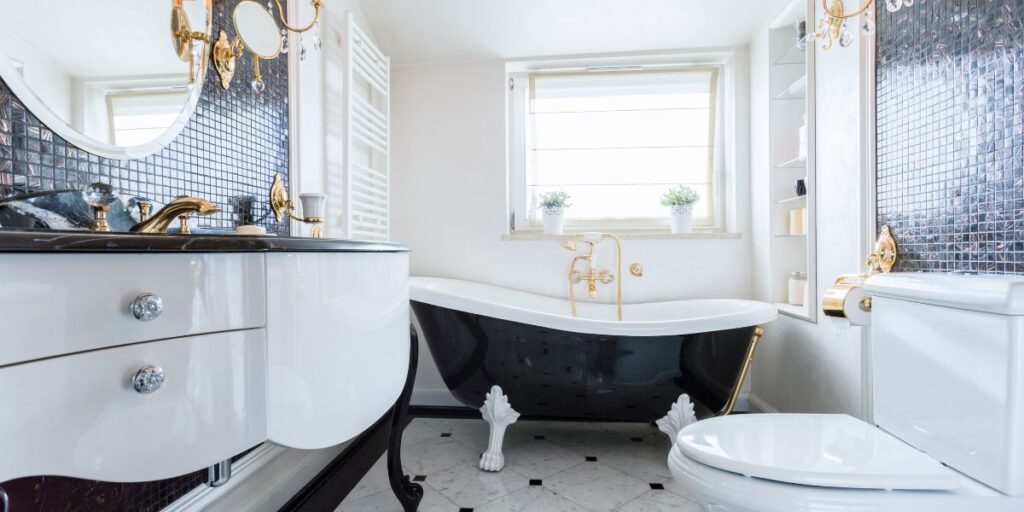
Practical Tips for Creating Your Timeless Home
Start with a Neutral Base
One of the most effective ways to achieve a timeless look is to start with a neutral color palette. Whites, grays, beiges, and other muted tones provide a versatile foundation that can easily be dressed up or down, depending on your style. These colors also have a calming effect, making spaces feel larger and more open.
A neutral base allows you to layer in color, texture, and pattern through accessories, artwork, and textiles, which can be easily changed over time as your tastes evolve. This approach ensures that your home remains timeless and gives you the flexibility to update your decor without making major changes.
Incorporate Classic Elements
Incorporating classic architectural details into your home’s design is another way to achieve a timeless look. Features like crown molding, wainscoting, and coffered ceilings add character and sophistication to any space. These details have been used in homes for centuries and continue to be associated with quality and craftsmanship.
When incorporating these elements, consider how they will fit within the overall design of your home. For example, a coffered ceiling can add depth and interest to a living room or dining room, while wainscoting can elevate the look of a hallway or entryway. These details can be customized to suit your style, whether you prefer a more traditional or modern interpretation.
Think Long-Term
When planning your home’s design, it’s important to think long-term. Consider how your needs might change over time and design spaces that can adapt to those changes. For example, a room that serves as a nursery now might later become a home office or guest room. You can create a home that grows with you by choosing flexible layouts and finishes.
In addition to flexibility, durability is key to a timeless design. Choosing materials and finishes that are known for their longevity and can withstand daily life’s wear and tear. This will ensure that your home remains beautiful and functional for years to come.
Focus on Timeless Patterns and Textures
Patterns and textures can add interest and depth to your home’s design, but choosing those with a timeless appeal is important. Classic patterns like stripes, herringbone, and damask have been used in interiors for centuries and continue to be popular today. Textiles, wallpaper, and flooring can incorporate these patterns into your home.
Similarly, focus on textures that have a natural, enduring quality. Linen, wool, and leather all age beautifully, adding warmth and richness to a space. By choosing patterns and textures that have stood the test of time, you can create a home that feels both current and classic.
Conclusion
Creating a timeless home is more than just following design trends; it’s about building a space that endures in style and function. By focusing on quality, simplicity, & classic elements, you can create a home that meets your needs today and remains beautiful and relevant for years to come. Whether inspired by traditional architectural styles or modern minimalism, timeless design principles can guide you in crafting a home that truly stands the test of time.
Incorporating these principles into your home design ensures that it grows with you and your family, providing a comforting and inspiring space. A timeless home tells a story, reflects your style, and remains a place of beauty and functionality through all stages of life.


